Fire Cider Recipe: 7 Amazing Steps to the Ultimate Immune-Boosting Tonic
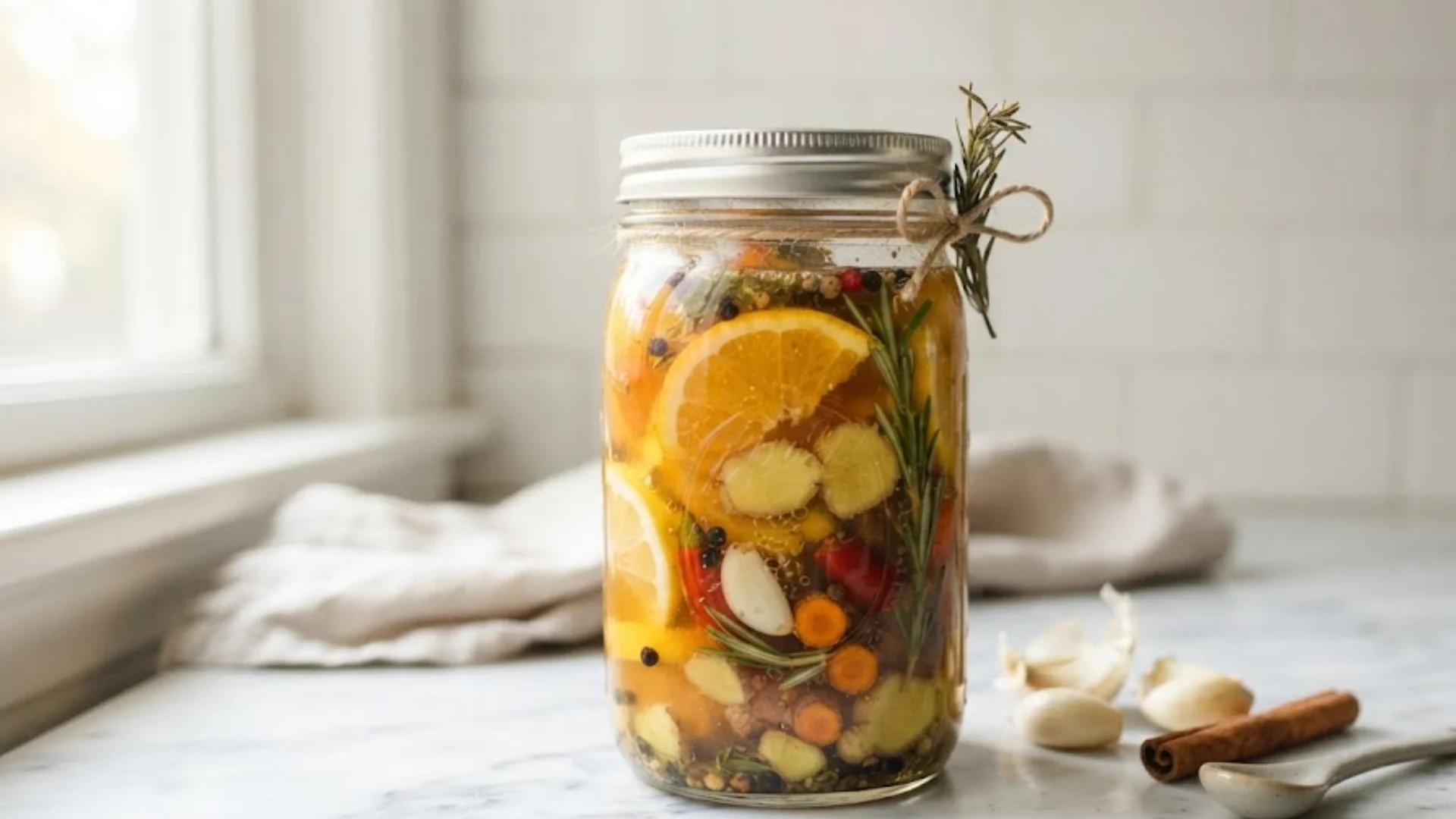
If you’ve ever seen a jar of orange-red liquid packed with garlic, ginger, and hot peppers steeping on someone’s windowsill, you’ve seen fire cider. This fire cider recipe is the same folk remedy herbalists have been making for decades — a spicy, tangy apple cider vinegar tonic infused with roots, citrus, and honey. It’s simple, it’s inexpensive, and once you know the 7 amazing steps to making it, you’ll never buy a bottle again.
In this guide, you’ll get a complete, traditional fire cider recipe, a nod to the original Rosemary Gladstar fire cider recipe that started it all, an easy Amish-style variation, plus storage tips, dosage guidance, and answers to the most common questions people search for. By the end, you’ll have your own fire cider recipe dialed in exactly the way you like it.
Jump to the full recipe or keep reading for the full story, tips, and variations.
What Is Fire Cider?
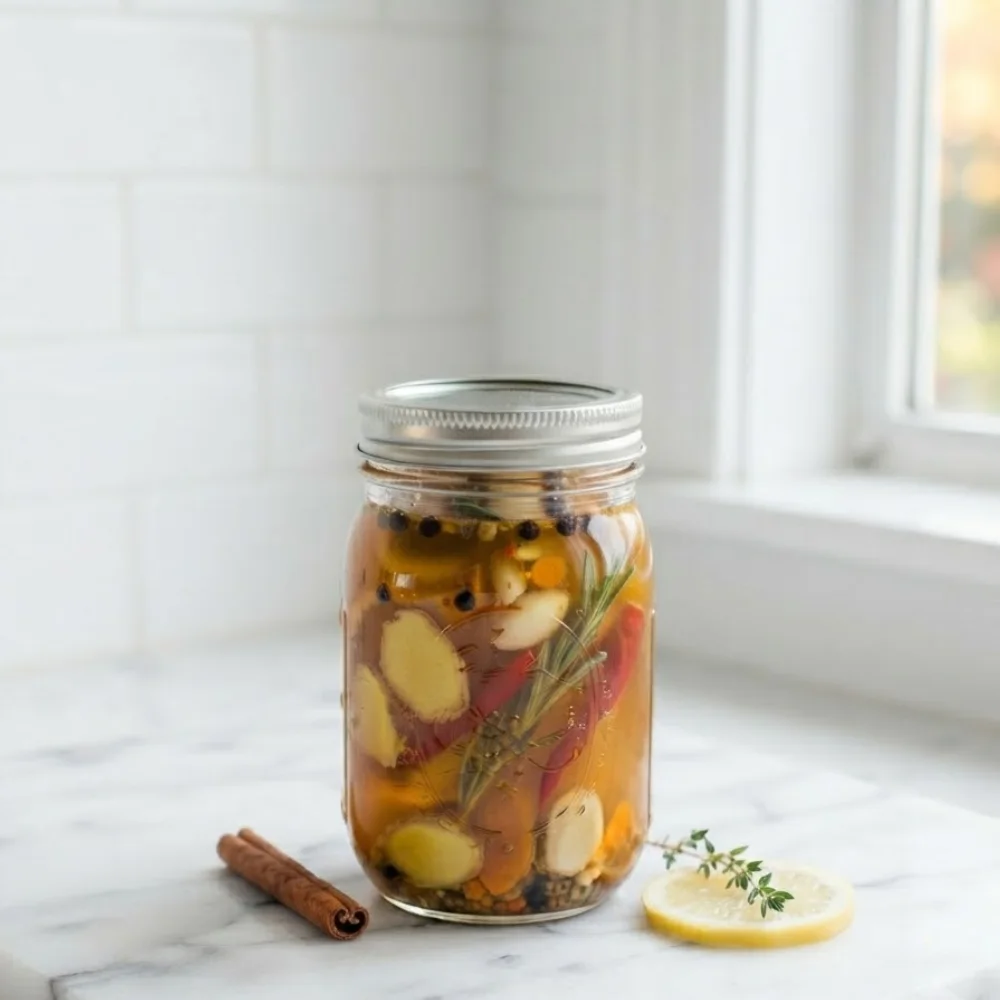
Fire cider is a spicy vinegar tonic made by infusing raw apple cider vinegar with pungent, warming ingredients — usually ginger, horseradish, garlic, onion, hot peppers, and citrus — then straining it and sweetening it with honey. The name comes from the “fire” you feel in your mouth and throat when you take a spoonful: it’s meant to warm you up and wake up your senses, especially during cold and flu season.
It isn’t a modern wellness trend, either. Vinegar tonics made with pungent roots and honey have been part of folk herbalism for generations, and the version we know today as “fire cider” was named and popularized in the late 1970s by herbalist Rosemary Gladstar while she was teaching at the California School of Herbal Studies. She taught the recipe freely to her students for decades, and it spread from kitchen to kitchen the way good folk recipes do — passed along, tweaked, and made personal by whoever was stirring the jar. That’s part of why you’ll find so many fire cider recipes online today, all a little different, all rooted in the same basic idea.
Why People Make Fire Cider
People reach for this fire cider recipe for a few main reasons:
- Immune support during cold and flu season — garlic’s natural antimicrobial compounds are linked to fewer colds and milder symptoms when eaten regularly, according to Cleveland Clinic, which is why it’s a cornerstone of this recipe.
- Warming up in winter — the heat from the peppers and horseradish gives an immediate warming sensation.
- Digestive support — apple cider vinegar is a probiotic that can promote gut health, aiding digestion and immune function, per Cleveland Clinic’s Center for Human Nutrition.
- A natural pantry staple — it’s made from real food ingredients you can pronounce, with no additives.
To be clear: this fire cider recipe is a traditional food-based tonic, not a medical treatment, and it hasn’t been evaluated by the FDA for treating or curing illness. Think of it as a flavorful, immune-friendly addition to your routine rather than a substitute for medical care — especially if you’re pregnant, nursing, on medication, or managing a health condition. Talk to your doctor if you’re unsure.
Ingredients for a Traditional Fire Cider Recipe
This is the classic, traditional fire cider recipe — the base that almost every variation (including the Amish-style and Rosemary Gladstar versions below) is built from. This fire cider recipe’s measurements are flexible; it’s a “handful of this, chunk of that” kind of recipe, which is part of its charm.
For about 1 quart (4 cups):
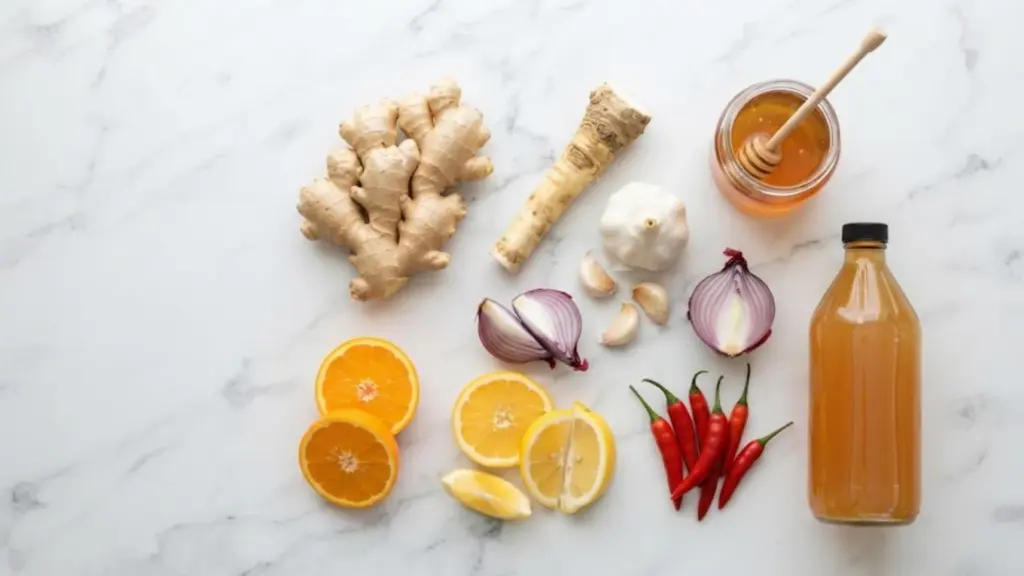
- 1/2 cup fresh ginger root, grated or finely chopped
- 1/2 cup fresh horseradish root, grated (or 1/4 cup prepared horseradish, no additives)
- 1 medium onion, diced
- 8–10 cloves garlic, smashed and roughly chopped
- 1–2 hot peppers (cayenne, habanero, or jalapeño), sliced — adjust to your heat tolerance
- 1 organic lemon, sliced (peel on)
- 1 organic orange, sliced (peel on)
- 2 tbsp fresh turmeric, grated (or 1 tbsp dried turmeric)
- 1 tbsp whole black peppercorns
- A few sprigs of fresh rosemary or a cinnamon stick (optional, for warmth and depth)
- Raw, unfiltered apple cider vinegar (with the “mother”), enough to fill the jar
- Raw honey, to taste (added after straining)
How to Make Fire Cider: Step-by-Step
- Prep your ingredients. Wash and roughly chop the ginger, horseradish, onion, garlic, peppers, and citrus. You don’t need to peel the ginger or horseradish — just scrub them well.
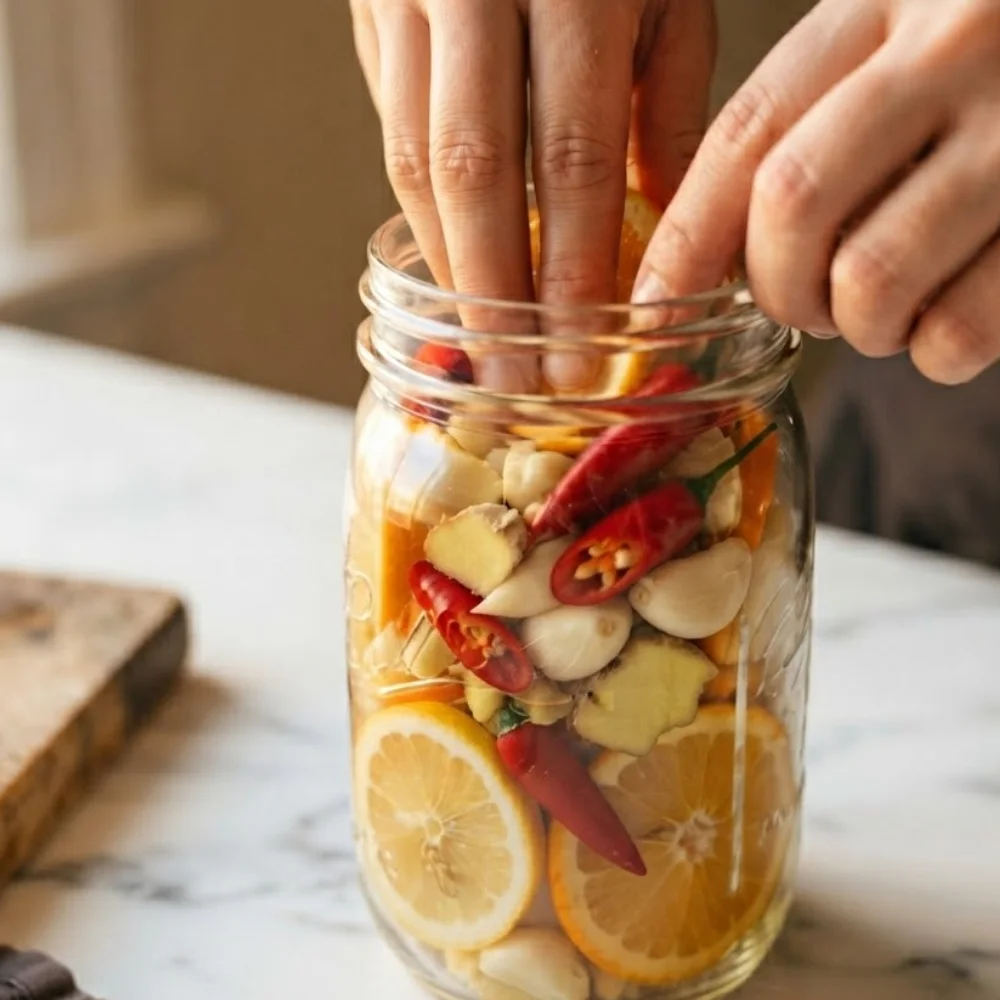
- Layer everything into a clean glass jar. A wide-mouth quart mason jar works perfectly. Pack the solids in loosely, leaving about an inch of space at the top.
- Cover completely with apple cider vinegar. Pour raw, unfiltered ACV over the ingredients until everything is fully submerged. This is important — anything poking above the liquid can spoil.
- Seal it (the right way). Metal lids react with vinegar, so place a piece of parchment paper or wax paper between the jar and the lid, or use a plastic lid if you have one.
- Steep for 3–4 weeks. Store the jar in a cool, dark cupboard and shake it every day or two to keep everything infusing evenly.
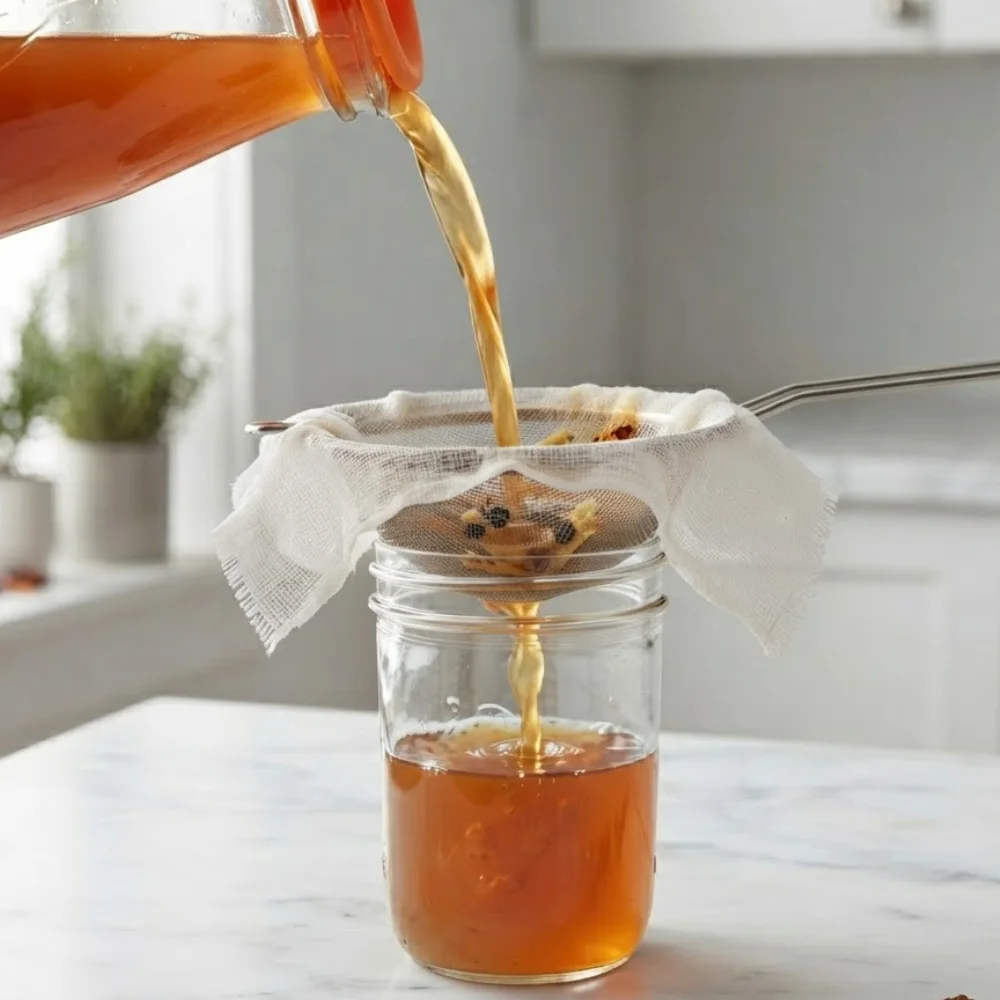
- Strain. After 3–4 weeks, strain the liquid through a fine mesh strainer or cheesecloth into a clean jar or bottle, pressing the solids to extract as much liquid as possible. Compost the leftover solids (or use them — see the Rosemary Gladstar variation below).
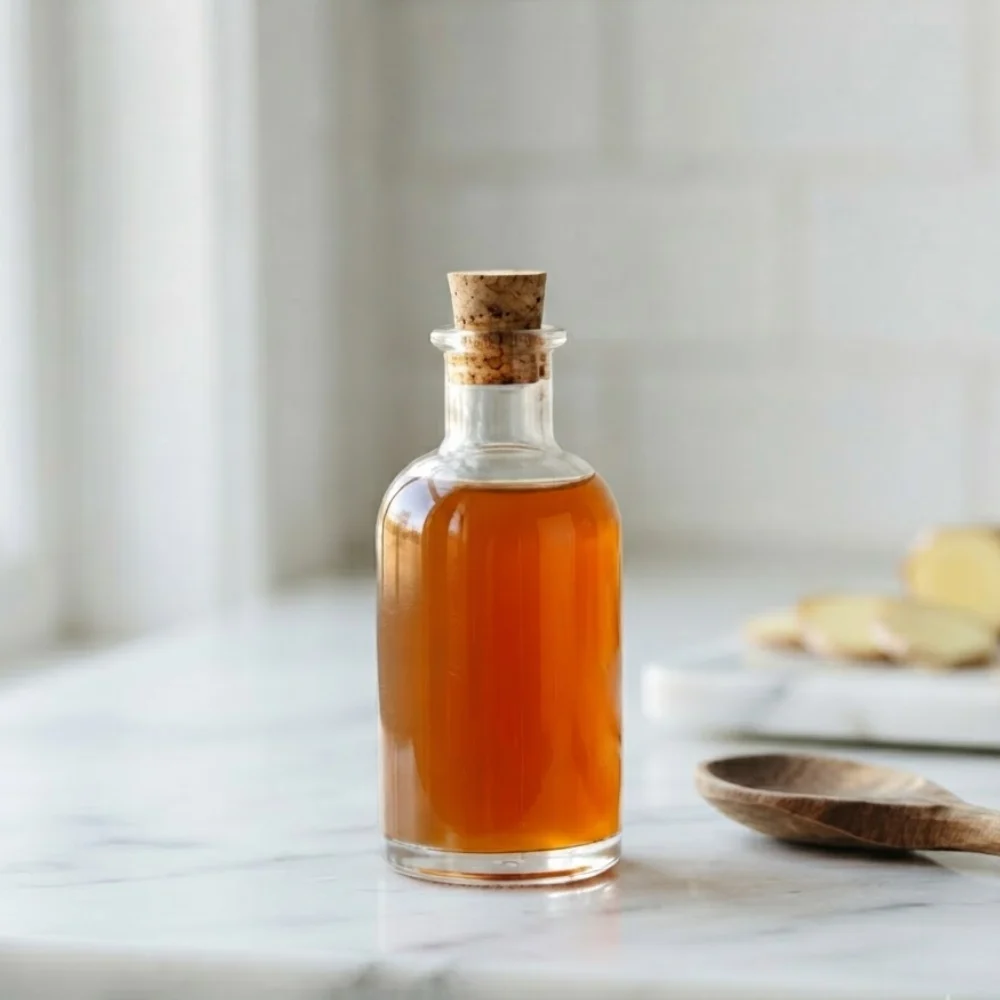
- Sweeten to taste. Stir in raw honey until the sharpness mellows into something you actually enjoy taking. Start with 2–4 tablespoons per quart and adjust from there.
- Store and enjoy. Keep it in the refrigerator and take a small spoonful or shot-glass amount daily, especially during colder months.
The Original Rosemary Gladstar Fire Cider Recipe
If you want to go straight to the source, the Rosemary Gladstar fire cider recipe is the closest thing there is to an “original.” Gladstar’s approach follows the same core method above — vinegar, roots, citrus, honey, patience — but she’s always been clear that fire cider was meant to be adapted, not followed to the letter. She encouraged her students to use whatever pungent, warming ingredients they had on hand, which is exactly why there are hundreds of fire cider recipes in circulation today, including a full community cookbook of them that she later published.
A nice touch borrowed from her approach: after straining your fire cider, don’t throw out the strained vegetables. Simmer them down with a little extra vinegar and honey into a chunky, spoonable chutney — it’s a great way to use every part of the batch and adds a spicy condiment to your kitchen.
Rosemary Gladstar’s recipe is also at the center of an important piece of fire cider history. In 2012, a company attempted to trademark the name “fire cider,” which sparked a multi-year legal battle led by a group of herbalists (nicknamed “the Fire Cider Three”) with Gladstar’s support. In 2019, a court ruled that “fire cider” is a generic, traditional term that belongs to everyone — which is exactly why you’ll never see us gatekeeping this recipe.
Amish Fire Cider Recipe (Simple Homestead-Style Version)
Search for an Amish fire cider recipe and you’ll find that it’s less about a single documented Amish source and more about a style: a no-frills, pantry-staple version built the way Amish and Mennonite homesteading kitchens have long approached folk remedies — minimal measuring, whatever’s on hand, and nothing wasted. If you want that simpler, rustic take, scale back to the essentials:
- Apple cider vinegar
- Fresh ginger
- Fresh garlic
- Fresh horseradish
- Cayenne pepper (fresh or dried)
- Honey
Skip the citrus and extras, follow the same jar-steep-strain-sweeten method above, and you’ll have a straightforward, old-fashioned batch that’s just as effective — proof that this recipe doesn’t need to be complicated to work.
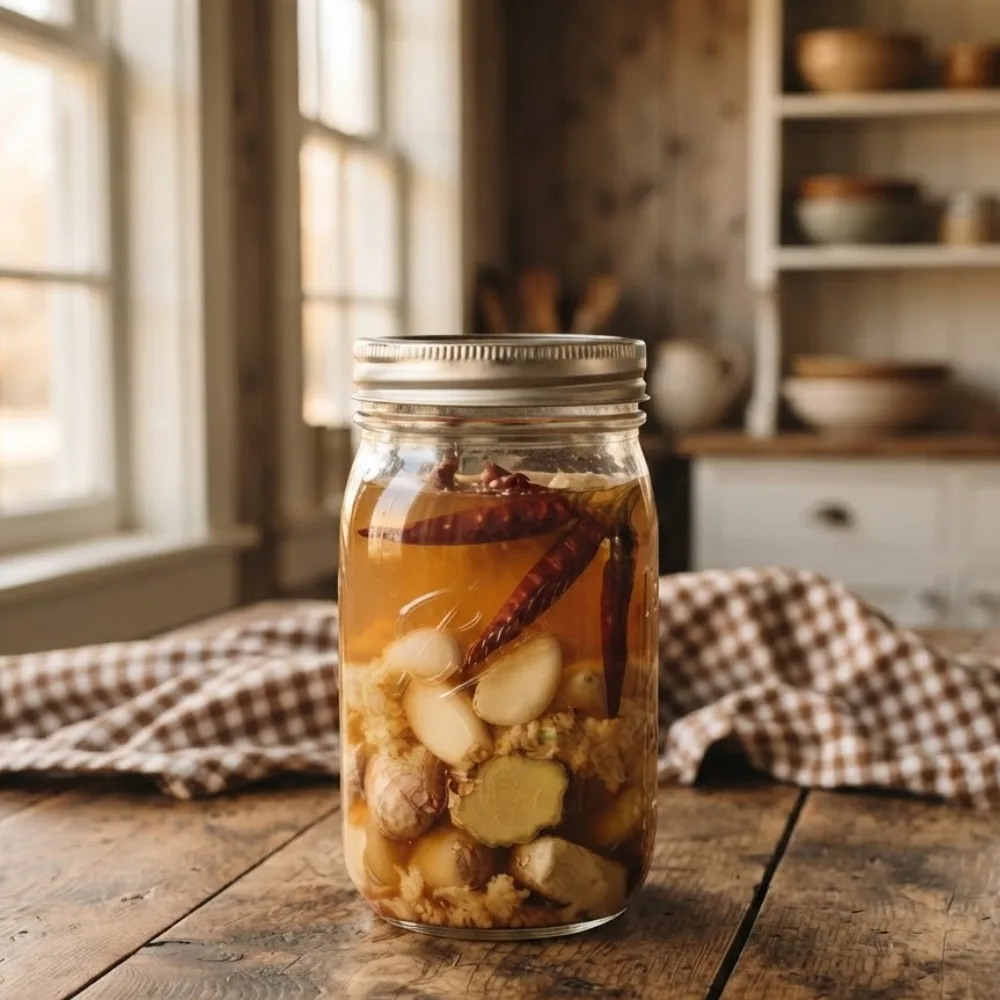
What Makes the Best Fire Cider Recipe?
There’s no single “correct” version, but a few things separate an average batch from the best fire cider recipe you’ll ever make:
- Use raw, unfiltered apple cider vinegar with the “mother” — it has more live enzymes than distilled or filtered vinegar.
- Don’t skimp on fresh roots. Fresh ginger and horseradish make a noticeably more potent, flavorful tonic than dried.
- Balance the heat. Start with less pepper than you think you need — you can always add more heat to your next batch, but you can’t take it out of this one.
- Sweeten after straining, not before. Honey added at the end lets you control sweetness precisely and doesn’t interfere with the infusion.
- Give it the full 3–4 weeks. Rushing the steep time is the most common mistake — the flavor and potency really do build over time.
How to Store Fire Cider (and How Long It Lasts)
Because it’s essentially a high-acid vinegar preparation, this fire cider recipe is naturally shelf-stable and doesn’t need to be refrigerated to stay safe — but refrigeration helps preserve the color, flavor, and honey’s texture, so most people store it in the fridge once it’s strained. Properly strained and sealed fire cider will keep for several months in the refrigerator, and often up to a year in a cool, dark pantry. If you ever notice mold, an off smell, or the color changing dramatically, it’s time to toss that batch and start fresh.
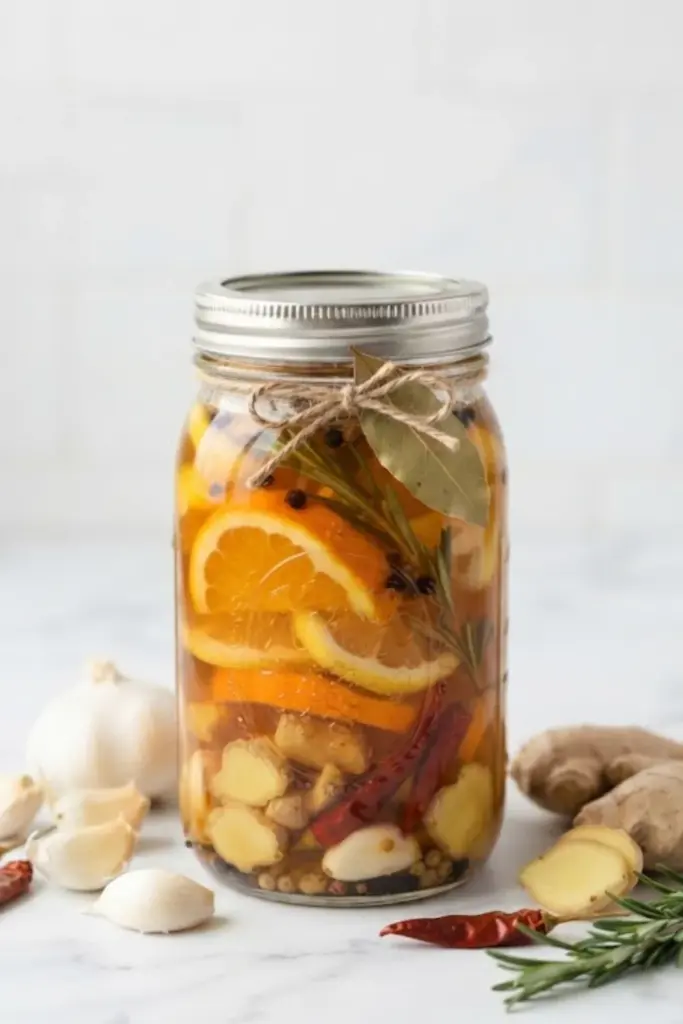
How to Use Fire Cider
Most people take 1 tablespoon to 1 shot-glass worth daily, either straight, diluted in warm water, or mixed into a salad dressing. If straight vinegar is too intense for you, try:
- Diluting it in warm water with a little extra honey, like a tonic tea
- Whisking it into olive oil for a spicy vinaigrette
- Adding a splash to soups or stir-fries at the end of cooking
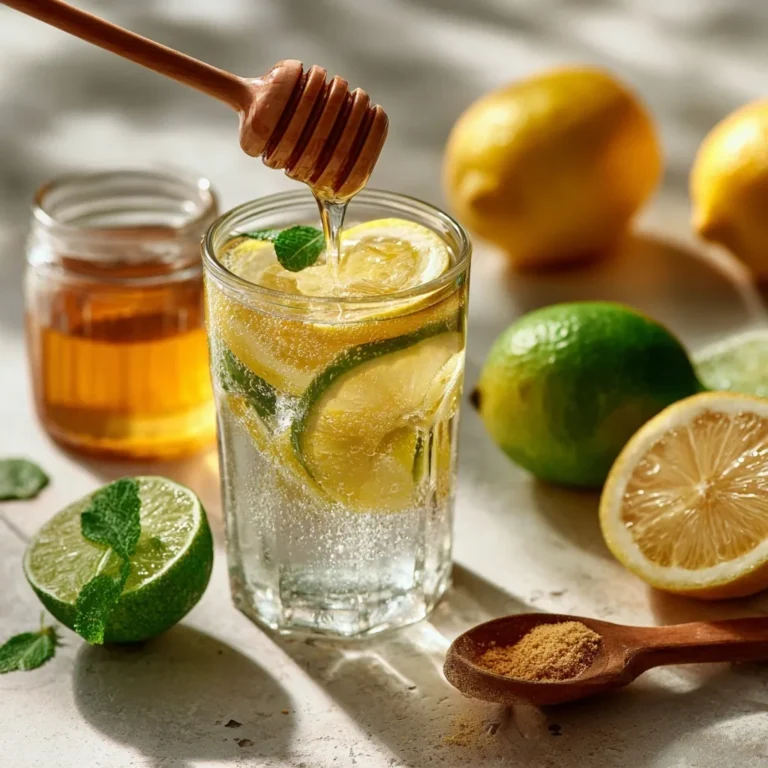
- Mixing it into sparkling water for a homemade “shrub” style drink
Start with a small amount and see how your body responds before working up to a full daily dose.
Frequently Asked Questions
What is fire cider?
Fire cider is a traditional folk remedy made by infusing apple cider vinegar with pungent, warming ingredients like ginger, horseradish, garlic, onion, and hot peppers, then straining and sweetening it with honey. Any good fire cider recipe follows this same basic method, taken in small daily doses, especially during cold and flu season.
How do you make fire cider?
Pack chopped ginger, horseradish, garlic, onion, hot peppers, and citrus into a jar, cover completely with raw apple cider vinegar, seal with a non-metal lid (or parchment under a metal one), and let it steep in a cool, dark place for 3–4 weeks. Strain, sweeten with honey, and store in the fridge.
What is fire cider good for?
Fire cider is traditionally used to support the immune system, warm the body during cold weather, and aid digestion. It’s a food-based folk remedy rather than a clinically proven treatment, so it’s best thought of as a supportive daily habit, not a cure.
Does fire cider actually work?
There isn’t strong clinical research specifically on fire cider as a whole, but many of its individual ingredients — garlic, ginger, and apple cider vinegar — have research behind their general health benefits. Its effectiveness as a daily wellness tonic comes down largely to personal experience and consistency.
How long does fire cider last?
Once strained and refrigerated, fire cider typically lasts several months, and sometimes up to a year, thanks to the preserving power of vinegar. Always check for mold, unusual smell, or major color change before using an older batch.
Does fire cider need to be refrigerated?
Not strictly — the high acidity makes it shelf-stable — but refrigeration helps it stay fresher for longer and keeps the honey and flavor more consistent. Most people store their finished, strained batch in the fridge.
How much fire cider should you take daily?
A common daily amount is 1 tablespoon up to a small shot glass (about 1–2 ounces), taken once or twice a day. If you’re new to it, start with a smaller amount to see how your body reacts to the acidity and heat.
Where can you buy fire cider if you don’t want to make it?
Many health food stores, farmers markets, and herbal shops carry bottled versions, though making your own fire cider recipe at home is far more affordable and lets you control the ingredients and heat level completely.
Fire Cider Recipe (Print & Save This Card)
Fire Cider Recipe
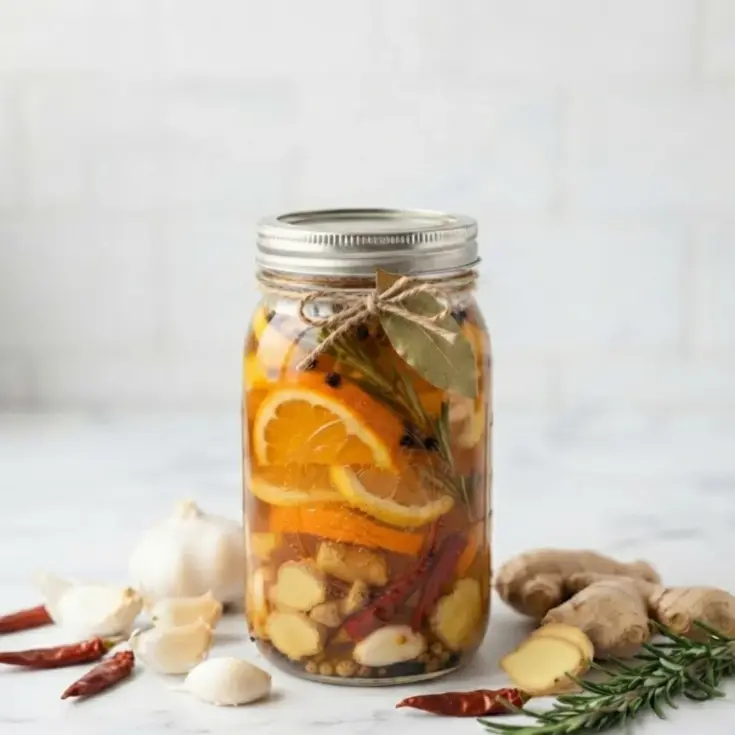
A traditional fire cider recipe made with ginger, horseradish, garlic, citrus, and honey — an easy, spicy apple cider vinegar tonic for immune support all winter long.
Ingredients
- 1/2 cup fresh ginger root, grated or finely chopped
- 1/2 cup fresh horseradish root, grated (or 1/4 cup prepared horseradish)
- 1 medium onion, diced
- 8–10 cloves garlic, smashed and roughly chopped
- 1–2 hot peppers (cayenne, habanero, or jalapeño), sliced
- 1 organic lemon, sliced (peel on)
- 1 organic orange, sliced (peel on)
- 2 tbsp fresh turmeric, grated (or 1 tbsp dried turmeric)
- 1 tbsp whole black peppercorns
- A few sprigs fresh rosemary or 1 cinnamon stick (optional)
- Raw, unfiltered apple cider vinegar (enough to fill the jar)
- Raw honey, to taste (added after straining)
Instructions
- Wash and roughly chop the ginger, horseradish, onion, garlic, peppers, and citrus.
- Layer everything into a clean wide-mouth quart mason jar, leaving about an inch of space at the top.
- Pour raw apple cider vinegar over the ingredients until fully submerged.
- Place parchment or wax paper between the jar and a metal lid (or use a plastic lid) to prevent corrosion.
- Store in a cool, dark cupboard for 3–4 weeks, shaking every day or two.
- Strain through a fine mesh strainer or cheesecloth into a clean jar, pressing the solids to extract the liquid.
- Stir in raw honey to taste, starting with 2–4 tablespoons per quart.
- Store in the refrigerator and take 1 tablespoon to 1 shot-glass amount daily.
Notes
Nutrition Information:
Yield: 32 Serving Size: 1 tablespoonAmount Per Serving: Calories: 10Total Fat: 0gSaturated Fat: 0gTrans Fat: 0gSodium: 5mgCarbohydrates: 2gFiber: 0gSugar: 2gProtein: 0g
Nutrition information is an estimate only, calculated based on standard ingredient values, and may vary depending on honey amount and ingredient substitutions. This tonic is intended to be taken in small daily amounts, not as a meal or snack.
Final Thoughts
Fire cider is one of those recipes that rewards patience: a little chopping, a few weeks of waiting, and you’re left with a jar of something genuinely useful sitting in your fridge all winter long. Whether you stick close to the traditional fire cider recipe, follow Rosemary Gladstar’s original approach, or keep things simple with an Amish-style version, the beauty of this tonic is that it’s yours to adjust. Make a batch, taste as you go, and find the balance of heat, tang, and sweetness that works for you — that’s exactly how this recipe has survived for generations.
Looking for more homemade pantry staples to go with your fire cider? Try our Homemade Barbecue Sauce Recipe, or if you want something refreshing to sip alongside it, check out our Virgin Mojito Recipe and Watermelon Non-Alcoholic Mojito. You’ll find more wellness-friendly ideas in our Weight Loss & Wellness and Drinks categories, or browse the full Recipe Index for more.